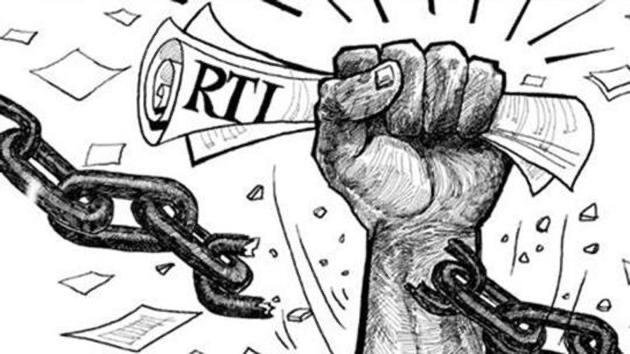
New Delhi, 13th October 2025: Nearly two decades after the enactment of the Right to Information (RTI) Act, India’s Information Commissions — both Central and State — continue to struggle with systemic inefficiency and an alarming backlog of cases, according to the latest Performance Report on Information Commissions (2023–24) released by Satark Nagrik Sangathan (SNS).
The report reveals that more than 4.13 lakh appeals and complaints remain pending across the country as of June 30, 2025. At the current pace of disposal, several commissions may take years or even decades to clear their existing caseloads. The Telangana State Information Commission, for instance, would require an estimated 29 years to resolve all pending matters.
The study identifies multiple causes for this crisis — vacant posts, non-functional commissions, poor case management, and the appointment of retired officials lacking expertise in transparency or law. It also found that 95% of eligible cases saw no penalties imposed on erring public information officers, highlighting a pattern of weak enforcement.
Additionally, many commissions failed to publish annual reports or upload orders online, undermining the spirit of openness envisaged under the RTI Act.

“Information Commissions are the backbone of the RTI framework. When they fail to function effectively, citizens’ right to know is directly compromised,” said transparency activist Anjali Bhardwaj, co-convener of SNS.
Experts have urged the Union and State governments to fill vacancies promptly, adopt digital case management systems, and ensure accountability in the commissions’ operations.
As India approaches the 20th anniversary of the RTI Act, the report serves as a stark reminder that transparency in governance remains an unfinished promise.